
Moneyminnd
ผู้เยี่ยมชม
moneyminnd673@gmail.com
What Is Cryptocurrency? (16 อ่าน)
30 ส.ค. 2569 20:25
<p dir="ltr">Money has changed shape many times throughout history — from coins and paper notes to plastic cards and digital wallets. The newest evolution in this journey is digital currency that lives entirely online, free from banks and government control. If you've been hearing this term everywhere but still aren't sure what it actually means, you're in the right place. In this guide from MoneyMinnd, we'll break down the basics in plain, simple language so you can understand this technology without needing a finance degree.
<p dir="ltr">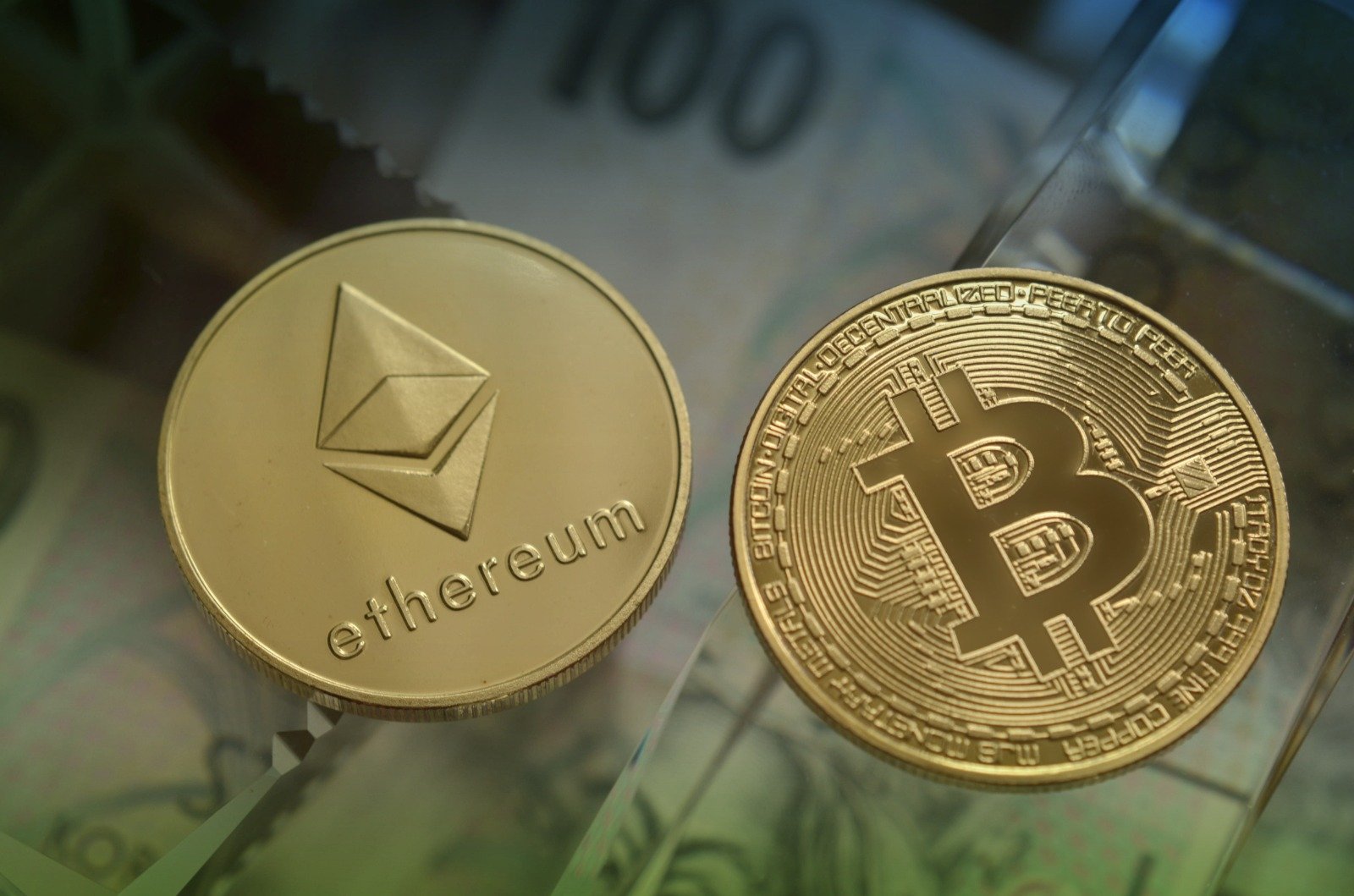
<h2 dir="ltr">Understanding the Basics</h2>
<p dir="ltr">At its core, Cryptocurrency is a form of digital money that exists only in electronic form. Unlike the rupees or dollars in your wallet, you can't hold it physically. It exists as entries on a digital ledger, secured through advanced coding techniques known as cryptography — which is actually where the name comes from ("crypto" + "currency").
<p dir="ltr">Unlike traditional money issued by a central bank or government, this digital asset operates on a decentralized network. This means no single authority — not a bank, not a government, not a corporation — controls it. Instead, thousands of computers around the world work together to verify and record every transaction, making the system transparent and difficult to manipulate.
<h2 dir="ltr">How Does It Work?</h2>
<p dir="ltr">The technology that powers most digital coins is called blockchain. Think of a blockchain as a giant, shared notebook that thousands of computers keep copies of at the same time. Every time someone sends or receives a coin, that transaction gets recorded as a "block" and added to a chain of previous transactions. Because every computer in the network has a copy of this notebook, it's extremely hard for anyone to cheat, alter records, or spend the same coin twice.
<p dir="ltr">Here's a simplified breakdown of the process:
<ol dir="ltr">
<li>A person initiates a transaction — say, sending coins to a friend.</li>
<li>That transaction is broadcast to a network of computers, often called nodes.</li>
<li>These nodes verify the transaction using complex mathematical formulas.</li>
<li>Once verified, the transaction is bundled with others into a block.</li>
<li>The block is added to the existing chain of blocks, making the transaction permanent and visible to everyone on the network.</li>
</ol>
<p dir="ltr">This entire system runs without a middleman, which is one of the biggest reasons this form of digital money has gained so much attention worldwide.
<h2 dir="ltr">A Brief History</h2>
<p dir="ltr">The concept first captured public attention in 2009, when a mysterious creator (or group) using the pseudonym Satoshi Nakamoto introduced the very first coin — Bitcoin. It was designed as a response to the 2008 financial crisis, offering people an alternative to traditional banking systems that had just failed millions of people.
<p dir="ltr">Since then, thousands of alternative coins, often called altcoins, have entered the market. Ethereum, Litecoin, and many others followed, each bringing its own features and use cases. What started as a niche experiment among computer enthusiasts has grown into a multi-trillion-dollar global market.
<h2 dir="ltr">Key Features That Make It Different</h2>
<p dir="ltr">To really understand this digital asset, it helps to look at what sets it apart from regular money:
<p dir="ltr">Decentralization: No single entity owns or controls the network. Power is distributed among all its participants.
<p dir="ltr">Transparency: Every transaction is recorded on a public ledger that anyone can view, though the identities of the people involved remain pseudonymous.
<p dir="ltr">Limited Supply: Many digital coins, like Bitcoin, have a fixed maximum supply. This scarcity is often compared to precious metals like gold.
<p dir="ltr">Borderless Transactions: You can send digital coins to anyone, anywhere in the world, without worrying about currency conversion or international banking fees.
<p dir="ltr">Security: Cryptographic techniques make it extremely difficult to counterfeit or hack the system, though individual wallets can still be vulnerable if not properly secured.
<h2 dir="ltr">Types of Digital Coins</h2>
<p dir="ltr">Not all digital coins serve the same purpose. Broadly, they can be grouped into a few categories:
<ul dir="ltr">
<li>Payment coins: Designed primarily as a medium of exchange, similar to how you'd use cash. Bitcoin is the most well-known example.</li>
<li>Utility tokens: These grant access to a specific product or service within a particular platform or network.</li>
<li>Stablecoins: Pegged to a stable asset like the US dollar, these aim to reduce the extreme price swings common in this market.</li>
<li>Governance tokens: Give holders a say in decisions related to a particular project or platform.</li>
</ul>
<p dir="ltr">Understanding these categories can help newcomers make sense of the vast and often confusing landscape of digital assets available today.
<h2 dir="ltr">Why Are People Interested?</h2>
<p dir="ltr">There are several reasons this technology has captured global attention:
<p dir="ltr">Investment Potential: Many early adopters have seen substantial returns, though prices can be extremely volatile and unpredictable.
<p dir="ltr">Financial Inclusion: In regions where banking infrastructure is weak or unreliable, digital coins offer people a way to store and transfer value using just a smartphone.
<p dir="ltr">Innovation: Beyond just money, the underlying blockchain technology has opened doors to new applications like smart contracts, decentralized apps, and digital ownership records.
<p dir="ltr">Privacy and Control: Since there's no central authority, users have more direct control over their own funds compared to traditional banking systems.
<h2 dir="ltr">The Risks You Should Know</h2>
<p dir="ltr">While the potential benefits are exciting, it's important to approach this space with caution. Prices can swing dramatically within hours, sometimes losing or gaining significant value overnight. The lack of regulation in many regions also means there's less protection if something goes wrong, such as a hack or a scam. Additionally, once a transaction is confirmed on the blockchain, it generally cannot be reversed — so a small mistake, like sending funds to the wrong address, can result in a permanent loss.
<p dir="ltr">New investors should also be wary of scams promising guaranteed returns. If something sounds too good to be true in this market, it usually is. Doing thorough research and only investing what you can afford to lose is a principle worth following.
<h2 dir="ltr">How to Get Started Safely</h2>
<p dir="ltr">If you're considering exploring this space, here are a few practical steps to keep in mind:
<ol dir="ltr">
<li>Educate yourself first. Understand the basics before putting any money in.</li>
<li>Choose a reputable exchange. Look for platforms with strong security track records and good customer reviews.</li>
<li>Use a secure wallet. Consider hardware wallets for storing larger amounts safely offline.</li>
<li>Start small. Begin with an amount you're comfortable potentially losing while you learn the ropes.</li>
<li>Stay updated. This market evolves quickly, so keeping up with news and trends is essential.</li>
</ol>
<h2 dir="ltr">The Future of Digital Money</h2>
<p dir="ltr">Governments and financial institutions around the world are increasingly paying attention to this technology. Some countries have embraced it, creating clear regulations to encourage innovation, while others remain cautious or restrictive. Central banks in several nations are even exploring their own digital currencies, inspired partly by the success of decentralized coins.
<p dir="ltr">Whatever direction the future takes, it's clear that digital money has already left a lasting mark on how we think about finance, ownership, and value exchange. It has challenged traditional banking models and introduced millions of people to new financial possibilities.
<h2 dir="ltr">Final Thoughts</h2>
<p dir="ltr">Understanding what this digital asset actually is can feel overwhelming at first, but breaking it down into simple concepts makes it much more approachable. At its heart, it's simply a new way of representing and transferring value using computer networks instead of banks — secured by clever mathematics and maintained by communities of users rather than a single institution.
<p dir="ltr">Whether you're just curious or thinking about dipping your toes into this space, taking the time to learn the fundamentals is always a smart first step. At MoneyMinnd, our goal is to make complex financial topics like this easy to understand, so you can make informed decisions with confidence as this exciting technology continues to evolve.
<h2 dir="ltr">Frequently Asked Questions</h2>
<p dir="ltr">Is cryptocurrency legal? This depends entirely on where you live. Some countries fully embrace cryptocurrency and have built clear regulatory frameworks around it, while others have banned or restricted its use. It's always wise to check your local laws before buying or trading any digital coin.
<p dir="ltr">Can cryptocurrency be converted into regular money? Yes. Most cryptocurrency exchanges allow you to convert your digital coins into traditional currency like dollars or rupees, which can then be withdrawn to your bank account.
<p dir="ltr">Do I need technical knowledge to use cryptocurrency? Not really. While the underlying technology is complex, modern exchanges and wallet apps are designed to be user-friendly, so anyone can buy, hold, or send cryptocurrency with just a few taps on a smartphone.
<p dir="ltr">Is all cryptocurrency the same? No. Every cryptocurrency has its own purpose, technology, and community. Some focus on payments, others on powering applications, and some aim simply to hold a stable value.
<p dir="ltr">What determines the value of a cryptocurrency? Like any asset, value is largely driven by supply and demand, along with factors like adoption, utility, media attention, and overall market sentiment.
<h2 dir="ltr">Wrapping Up</h2>
<p dir="ltr">Cryptocurrency represents a fundamental shift in how the world thinks about money and value exchange. From its humble beginnings with a single coin in 2009 to today's sprawling ecosystem of thousands of projects, cryptocurrency has proven it's more than just a passing trend. It has introduced new possibilities for ownership, transparency, and financial freedom that traditional systems often struggle to offer.
<p dir="ltr">That said, entering the world of cryptocurrency should never be a rushed decision. Take time to learn how each coin works, understand the risks involved, and only invest amounts you're genuinely comfortable with. As the regulatory landscape continues to mature and more institutions adopt this technology, cryptocurrency is likely to become an even more familiar part of everyday financial conversations.
<p dir="ltr">At MoneyMinnd, we believe that financial literacy is the first step toward smart decision-making. We'll continue breaking down complex topics like cryptocurrency, investing, and personal finance into content that's simple, practical, and easy to apply to your own life. Keep exploring, keep learning, and take your time before making any move in this fast-changing space.
182.69.178.197
Moneyminnd
ผู้เยี่ยมชม
moneyminnd673@gmail.com