
shell
ผู้เยี่ยมชม
benducket3211@gmail.com
Why Is an OEM Clothing Manufacturer in Bangladesh a Strong Partner for Custom Apparel Production? (5 อ่าน)
6 ก.ย. 2569 16:55
The global apparel industry depends on efficient manufacturing, consistent quality, innovative product development, and reliable supply chains. As fashion brands and international retailers search for experienced production partners, Bangladesh has become a major destination for garment sourcing and apparel manufacturing. For businesses looking for an OEM clothing manufacturer Bangladesh, the country offers an established production environment with experienced factories, skilled garment workers, extensive textile resources, and strong international manufacturing expertise.
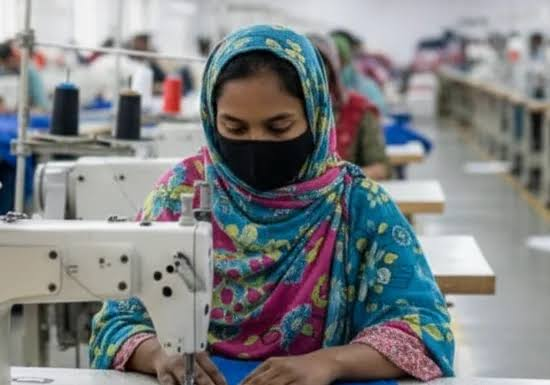
OEM, or Original Equipment Manufacturing, allows businesses to produce garments according to their own designs, specifications, materials, measurements, branding requirements, and quality standards. Instead of creating and maintaining a manufacturing facility, a brand can work with an experienced OEM apparel manufacturer that manages the production process on its behalf. This model can be particularly useful for fashion brands, retailers, private-label businesses, wholesalers, ecommerce companies, and organizations requiring customized apparel.
Bangladesh's garment sector is well established in international markets, producing products such as T-shirts, polo shirts, hoodies, sweatshirts, shirts, trousers, denim, jackets, uniforms, activewear, children's clothing, and other fashion garments. The country's manufacturing infrastructure allows OEM suppliers to support different production requirements while helping businesses develop products that match their specific market needs.
OEM Clothing Manufacturing in Bangladesh
An OEM clothing manufacturer in Bangladesh works with brands that want garments manufactured according to specific product requirements. The process generally begins with the buyer's concept, design, technical pack, sample, fabric specification, or product instructions. The manufacturer then develops the garment according to those requirements and prepares it for production.
OEM manufacturing provides a high degree of customization. A fashion company may want a particular fabric composition, garment fit, color, stitching pattern, finishing technique, or branding detail. These requirements can be incorporated into the manufacturing process instead of relying on standardized wholesale products.
This approach is useful for brands that want greater control over their product identity. A company can develop its own clothing designs and have an OEM supplier turn those designs into finished garments. Custom labels, tags, embroidery, printing, packaging, trims, and other brand elements can also be integrated into the final product depending on the manufacturer's capabilities.
Bangladesh has a broad apparel production ecosystem that supports OEM manufacturing. Garment factories can work with textile mills, fabric suppliers, dyeing and finishing facilities, printing companies, embroidery providers, accessory suppliers, packaging businesses, and logistics services. This interconnected supply chain can help manufacturers manage different stages of apparel production more efficiently.
International manufacturing experience is another important strength. Many Bangladeshi garment producers have experience serving overseas buyers and understand the importance of product specifications, quality requirements, packaging standards, delivery schedules, and export procedures. For an international business, this experience can make communication and production planning more manageable.
Benefits of Working With an OEM Clothing Manufacturer Bangladesh
One of the main advantages of working with an OEM clothing manufacturer Bangladesh is the ability to access established production infrastructure without investing in a factory. Setting up an independent garment manufacturing facility requires substantial capital for machinery, factory space, employees, materials, quality control, maintenance, and operational management. OEM sourcing allows brands to use an existing manufacturing system instead.
Cost efficiency can also make Bangladesh attractive for international apparel businesses. Actual production costs depend on garment design, fabric selection, order quantity, customization, labor requirements, finishing, packaging, and other specifications. However, Bangladesh has developed a reputation as a competitive apparel sourcing destination, particularly for medium and large-scale production.
Production capacity is another important factor. Fashion businesses can experience significant changes in demand, particularly during seasonal campaigns or successful product launches. An experienced OEM apparel manufacturer may be able to support larger production requirements as a brand grows, allowing the company to scale without immediately changing its manufacturing strategy.
Product consistency is equally important. An OEM manufacturer needs to understand the brand's specifications and reproduce them accurately across production runs. Consistent measurements, stitching, fabric quality, color, printing, embroidery, and finishing help ensure that customers receive products that match the brand's expectations.
Quality control therefore plays an important role in OEM garment manufacturing. Manufacturers can perform inspections during different stages of production to identify issues with materials, construction, measurements, or finishing. Clear specifications and approved samples can provide a reference for maintaining product consistency throughout bulk manufacturing.
Sustainability is also becoming a significant consideration in global apparel sourcing. Fashion brands are increasingly interested in responsible manufacturing, efficient resource use, environmentally conscious materials, and improved factory practices. Some manufacturers in Bangladesh have invested in modern production facilities and sustainability-focused systems to respond to these changing expectations.
Custom Apparel Production and OEM Services
Custom apparel production is one of the strongest applications of OEM manufacturing. A business can provide its own design concept and collaborate with an OEM apparel manufacturer in Bangladesh to develop a finished garment that meets its requirements.
The sampling stage is particularly important. Before beginning bulk production, the manufacturer can create samples based on the buyer's specifications. The brand can then review the garment's fit, measurements, fabric, colors, construction, printing, embroidery, and finishing. Any necessary changes can be discussed before the final production approval.
Technical packs can make communication even more effective. A detailed tech pack may contain garment measurements, construction instructions, fabric information, artwork, color references, stitching details, labeling requirements, and other specifications. Providing accurate information helps an OEM clothing factory understand the intended product and reduce production misunderstandings.
Fabric selection is another important part of the OEM process. Different apparel products require different materials. Cotton may be suitable for casual T-shirts, fleece can be used for hoodies and sweatshirts, denim is commonly used for jeans and jackets, while performance fabrics may be more appropriate for sportswear and activewear. The selected fabric can influence comfort, durability, appearance, production cost, and overall product performance.
Branding can also be incorporated into OEM clothing production. Businesses can request custom woven labels, printed labels, care labels, hangtags, logos, embroidery, screen printing, heat transfers, and branded packaging. These details help transform a manufactured garment into a product that represents the buyer's own brand.
OEM production can support a wide range of apparel categories. Depending on factory specialization, businesses may manufacture casualwear, streetwear, workwear, sportswear, uniforms, children's apparel, fashion garments, outerwear, and other products. This makes Bangladesh suitable for companies with different market positions and product strategies.
Choosing the Right Bangladesh OEM Clothing Manufacturer
Selecting the right manufacturing partner is essential for achieving reliable results. Different factories have different production capabilities, minimum order quantities, machinery, product specialization, quality-control procedures, and levels of customization. A manufacturer that is excellent at basic knitwear may not necessarily be suitable for technical sportswear or complex fashion garments.
Businesses should evaluate whether the manufacturer's experience matches the product they intend to produce. Production capacity should also be considered, particularly when a company expects recurring or large-volume orders. A suitable manufacturer should have the infrastructure necessary to meet the required production schedule without compromising quality.
Communication is another critical consideration when working internationally. Apparel manufacturing often involves multiple stages, including product development, sampling, material sourcing, bulk production, quality inspection, packaging, and shipment. Clear communication throughout these stages can help keep the project aligned with the original requirements.
Minimum order quantities can also affect the suitability of a manufacturer. New brands may require smaller production runs to test market demand, while established retailers may need substantial quantities. Businesses should therefore confirm production requirements before committing to a supplier.
Price should be evaluated alongside quality and reliability. Choosing a supplier based solely on the lowest quotation can create problems if the manufacturer cannot maintain consistent quality or delivery schedules. A reliable OEM clothing manufacturer Bangladesh should provide an appropriate balance between production cost, quality, capacity, customization, communication, and delivery performance.
Long-term relationships can provide additional advantages. Once an OEM manufacturer becomes familiar with a brand's preferred materials, measurements, construction standards, packaging requirements, and quality expectations, future production may become more efficient. A stable manufacturing partnership can also make it easier to introduce new products and expand existing collections.
Conclusion
Bangladesh has become an important destination for international garment production, offering businesses access to experienced manufacturers, established textile supply chains, skilled production teams, and large-scale apparel capabilities. An OEM clothing manufacturer Bangladesh can provide brands with a practical way to manufacture customized garments without establishing their own production facilities.
OEM manufacturing can support custom product development, fabric selection, branding, sampling, bulk production, quality management, and export preparation. This makes the model suitable for fashion brands, retailers, ecommerce companies, wholesalers, and organizations looking for customized apparel solutions.
43.242.176.93
shell
ผู้เยี่ยมชม
benducket3211@gmail.com